
why does one go up a mountain? what pull does it have on a heart? from the farmland below, common people, the certainty of the day, looms the uncertainty of the mountain, the ominous mass hidden behind the clouds of heaven. is it not the unknown that draws the curious heart up? what makes the mountain a better place to be?
“…the gift is given (to those) strolling deep green valleys and high flower-tossed meadows, and to those who only gaze in wonder at serrated massifs marching endlessly away into the sky. it is the gift of freedom.” (‘the alps’ – national geographic society – 1973 – robert paul jordan)
freedom, that is it! the ethos of the mountain - research played a primary role. the mountain itself was studied, the nature surrounding it, the local way of life around capanna bernasconi. the first question asked: “how can a structure respond to freedom?”
the second question: “how does one experience capanna bernasconi?” through an iterative and open-ended process, freedom in structure was concluded to be freedom of interaction. the same way a person climbs freely, touches the mountain freely, chooses a different way freely, leaps and bounds and sees new nature freely, the structure was to do so. if the proposal could be described singularly, it is “an extension of the experience of the mountain.” the bivouac invites users to itself, on itself, and in itself, to climb, to sit on, ski off, sleep in. just as the mountain opens itself up to the curious heart, so the structure opens itself up to any who pass by it, or atop it.

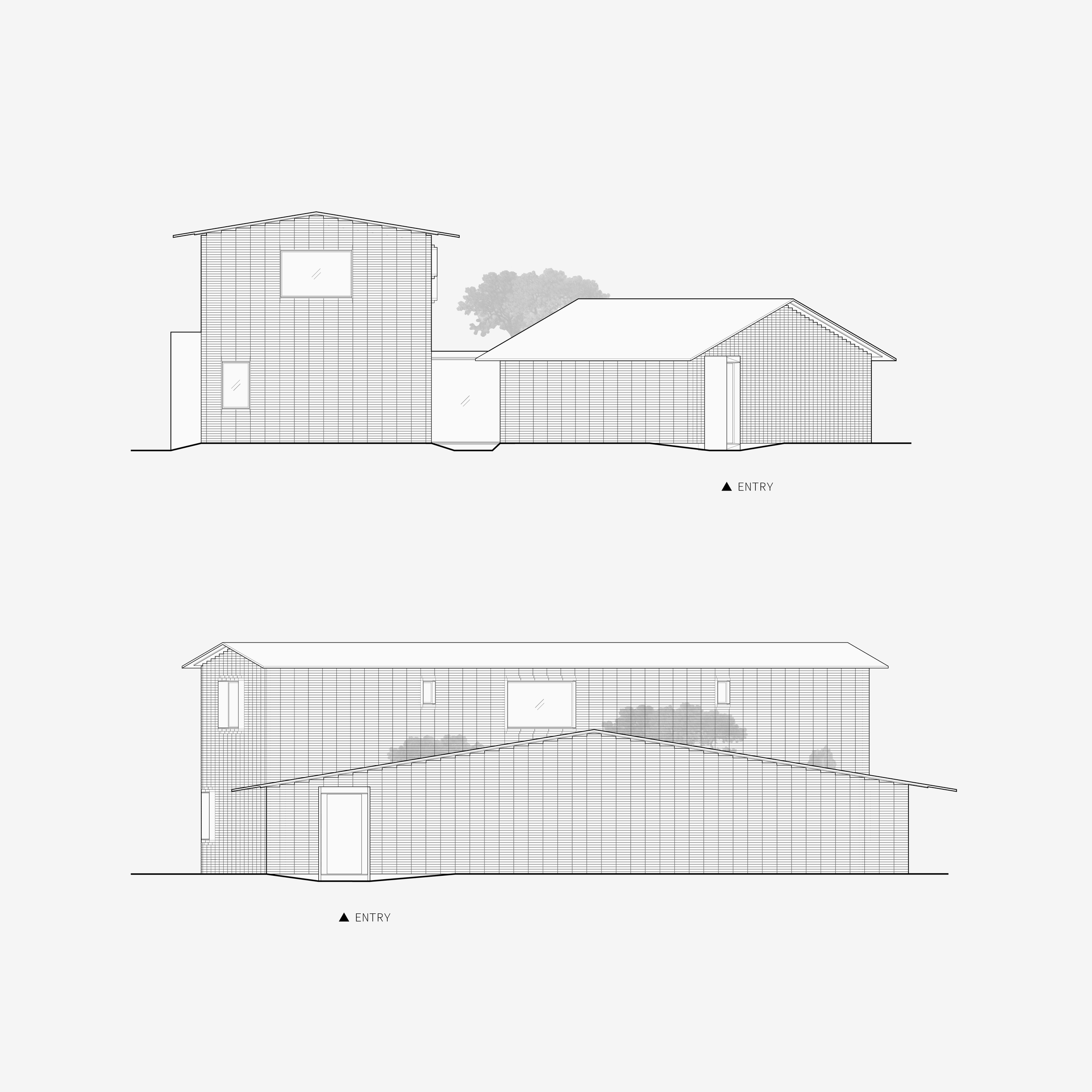
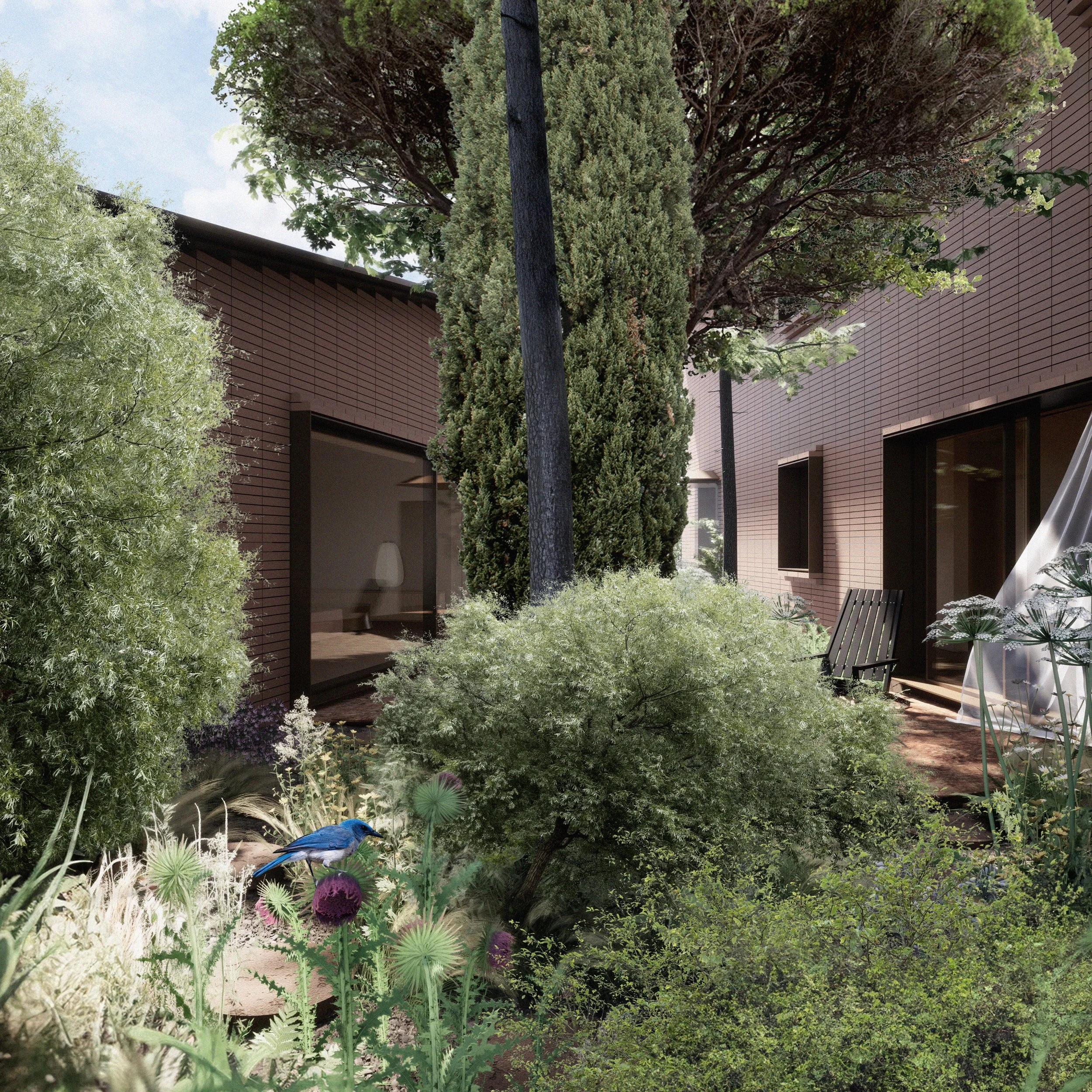
house / 2025 - 2028
commission, MX (in progress)